Commercial building renovation contractors in Wake County, NC handle everything from storm-damaged roofs to full exterior overhauls on offices, retail centers, and medical buildings. Older properties along Capital Boulevard, Six Forks Road, and the RTP corridor are aging into replacement cycles for roofs, siding, and windows faster than most owners planned for. This guide breaks down real 2026 cost ranges, who regulates the work, and how to vet a contractor before you sign anything.
What "Commercial Building Renovation" Actually Covers
"Commercial renovation" gets used as a catch-all, but it covers two very different scopes of work.
Interior tenant improvements involve new layouts, finishes, and mechanical systems inside an existing shell. These projects usually need a general contractor, an architect or designer, and a longer permitting cycle.
Exterior envelope renovation is the roof, siding, windows, and trim that protect the building and its tenants from weather. This is where a specialized exterior contractor is often a better fit than a full GC, because the scope is narrower and the work can usually move faster.
RoofPuppy focuses on the second category: commercial roofing, siding, and window renovation across Wake County. For interior build-outs, we frequently work alongside a client's general contractor or project manager, a model covered in more depth in our guide to commercial foundation contractors in Wake County.
Commercial Roof Renovation & Replacement
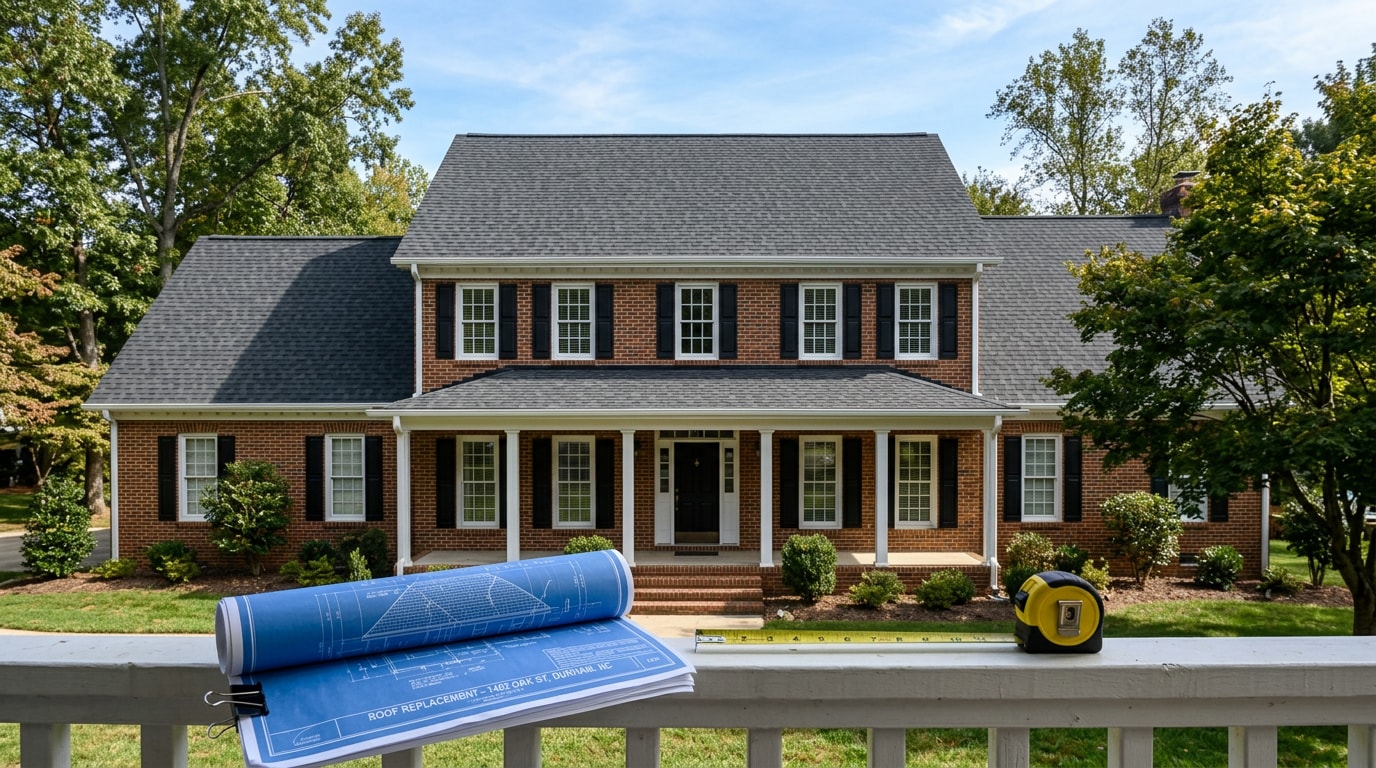
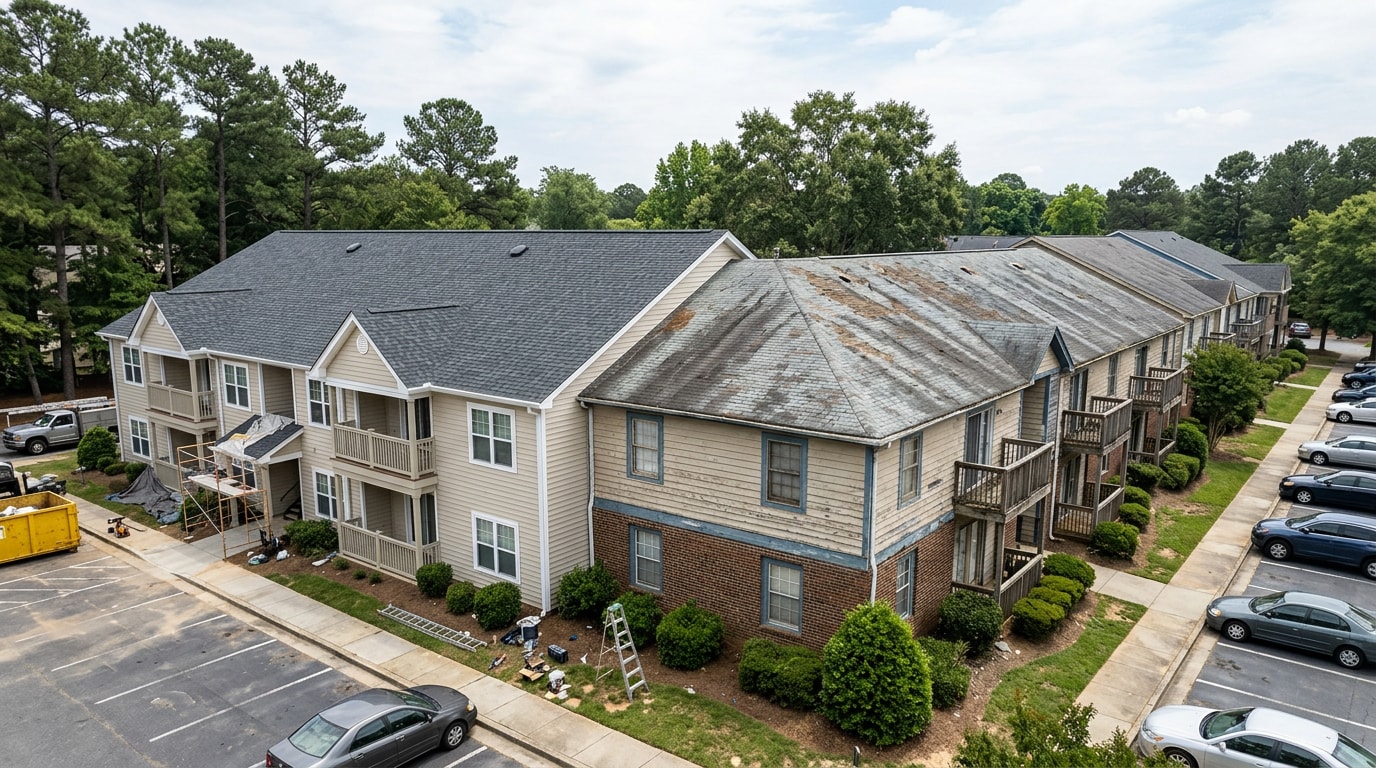
A building's roof is almost always the first thing that triggers a renovation budget conversation, since a failing membrane or deck can stall everything else on the project.
Common commercial roof renovation scopes in Wake County include:
- Full roof replacement when the membrane or decking has failed
- Commercial roofing upgrades for offices, retail centers, and multi-tenant buildings
- Flat roofing and EPDM rubber roofing for low-slope commercial structures
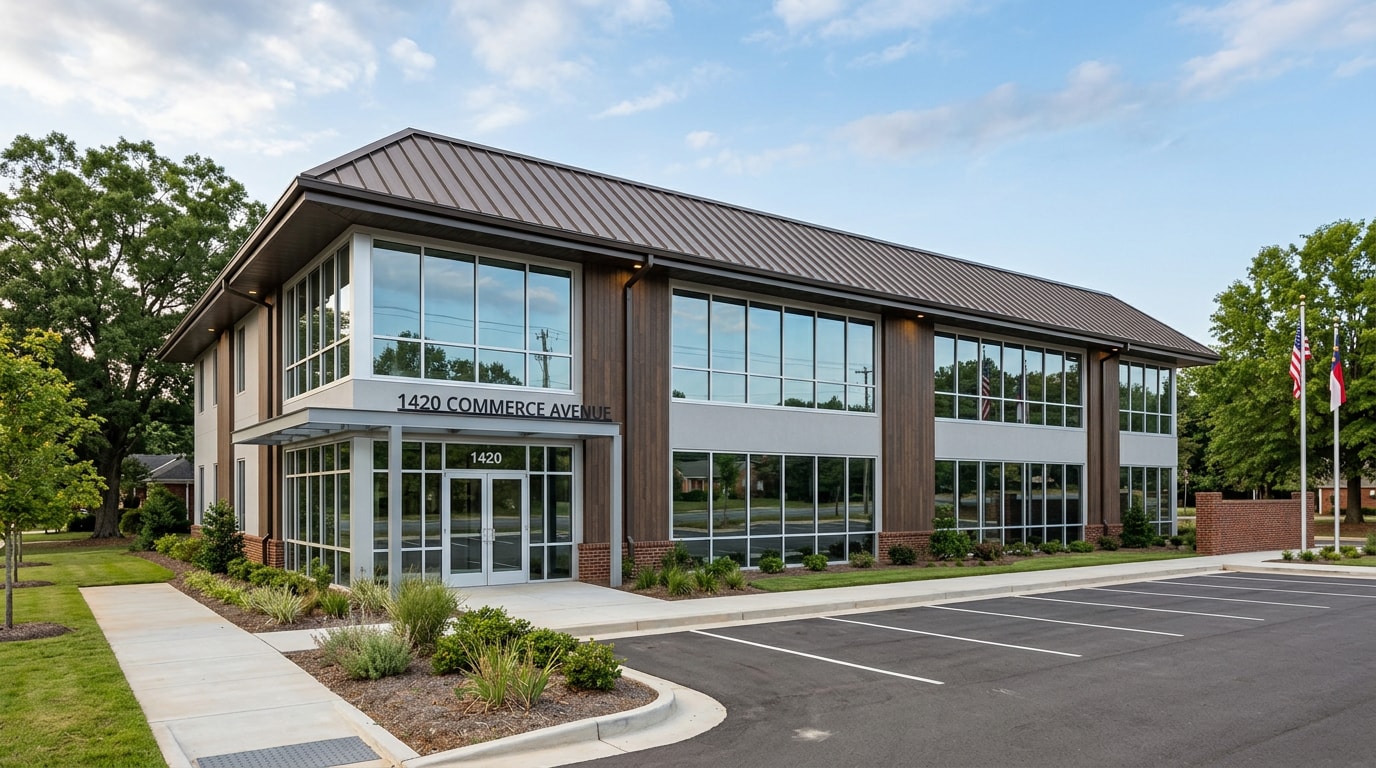
- Standing seam metal roofing for durability on larger footprints
- Roof coating and roof restoration to extend an aging membrane instead of a full tear-off
- Storm damage repair and insurance claims assistance after hail or wind events
- Ongoing roof maintenance and gutter repair to catch problems before they become capital expenses
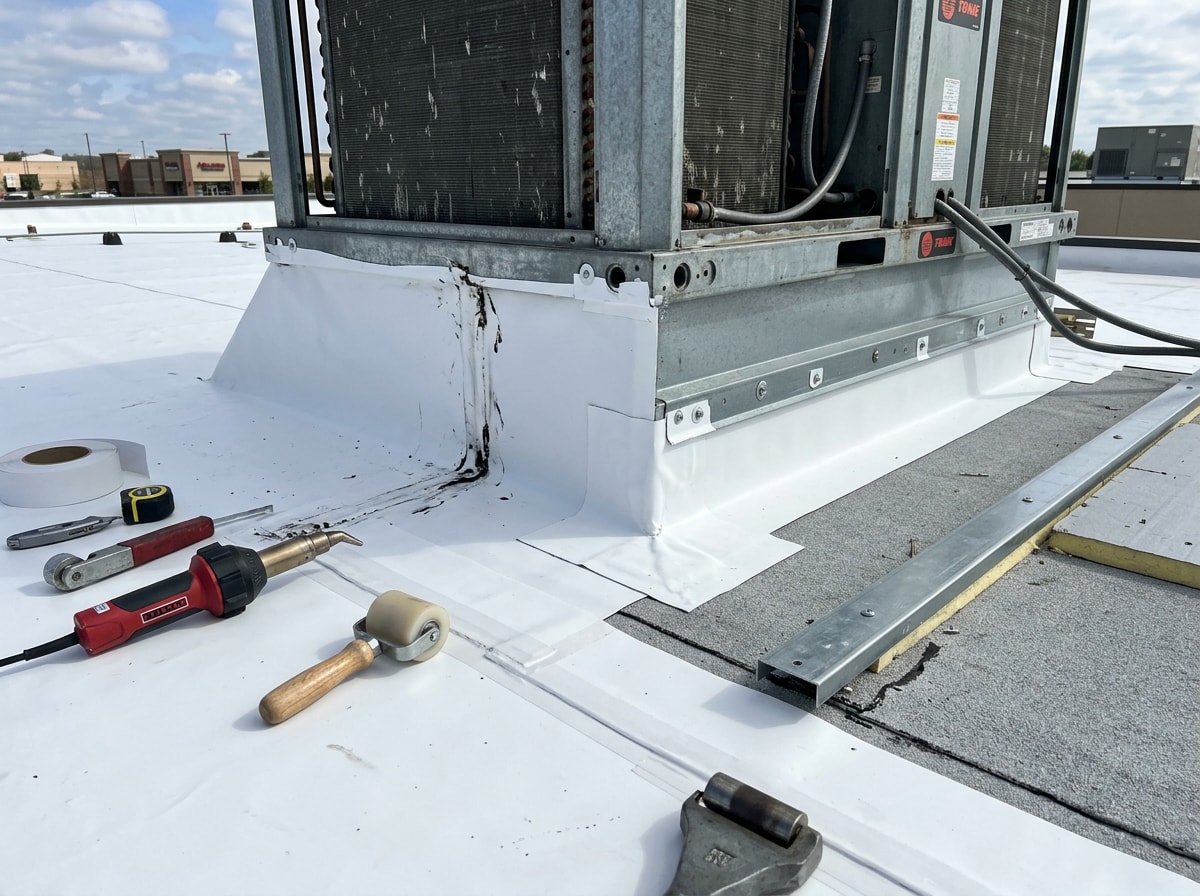
Not every aging roof needs a full tear-off. A coating system can be the right call when the deck is sound and the membrane just needs a protective, reflective layer. Roof waterproofing is also worth evaluating on flat commercial roofs where ponding water is a recurring issue.
Commercial Siding, Windows & Exterior Envelope Upgrades
Roofing isn't the only system that ages out on a commercial building. Siding and windows carry a lot of the building's curb appeal, insulation value, and water management.
Siding scopes we see most often on Wake County commercial properties:
- Siding replacement on offices and retail strips with failing or outdated panels
- Siding repair for localized damage or water intrusion
- New siding installation on additions or facade updates
- Exterior trim installation and exterior trim repair around entries, soffits, and rooflines
Window scopes that typically pair with a renovation:
- Window replacement for failed seals or outdated storefront glazing
- Window installation on new or expanded openings
- Window repair for minor damage that doesn't justify a full replacement
- Storm window installation ahead of hurricane season
- A window inspection to document condition before budgeting the rest of the scope
Bundling roof, siding, and window work into one renovation phase usually reduces total mobilization cost compared to tackling each system in a separate year.
How Much Does Commercial Building Renovation Cost in Wake County? (2026)
Pricing varies by building type, access, and how much of the envelope needs replacing versus repairing. These per-square-foot ranges reflect what shows up across current 2026 industry cost guides for exterior and light interior commercial scopes, not a quote for your specific building.
| Renovation Scope | Typical Cost per Sq Ft (2026) |
|---|---|
| Light cosmetic refresh (coating, minor repairs, spot siding/window fixes) | $30–$75 |
| Standard renovation (roof replacement, full siding, window replacement bundled) | $75–$175 |
| Full envelope overhaul (roof + siding + windows, code-driven upgrades) | $150–$300+ |
A 20,000 sq ft retail strip needing a roof recover and new storefront windows will land very differently than a single-story office needing a full tear-off and complete re-siding. Get a written, itemized quote before comparing any two bids. Request a free estimate to get a number specific to your building.
Permits, Licensing & Safety Compliance in Wake County
Commercial renovation work in Wake County touches three separate layers of regulation, and skipping any of them can delay or shut down a project.
State licensing. North Carolina law requires a licensed general contractor for any project valued at $40,000 or more, verified through the NC Licensing Board for General Contractors. Ask any contractor bidding above that threshold for their license number and confirm it's active before signing a contract.
Local permitting. Wake County issues building permits for unincorporated areas and several municipalities through its Permit Portal, with Permits and Inspections office hours and inspection cut-offs posted online. Raleigh, Cary, Durham, and Chapel Hill each run their own permitting offices with separate review timelines, so confirm which jurisdiction governs your address before assuming a timeline.
Jobsite safety. Commercial roof work almost always triggers federal fall protection rules once crews are working near an edge. Under OSHA 29 CFR 1926.501, guardrails, safety nets, or personal fall arrest systems are required for most roofing work at or above six feet. A contractor who can't speak to their fall protection plan on a flat commercial roof is a red flag worth asking about directly.
Energy-Efficient Roofing & Envelope Upgrades
A renovation is also a chance to cut a building's cooling load, not just replace what failed.
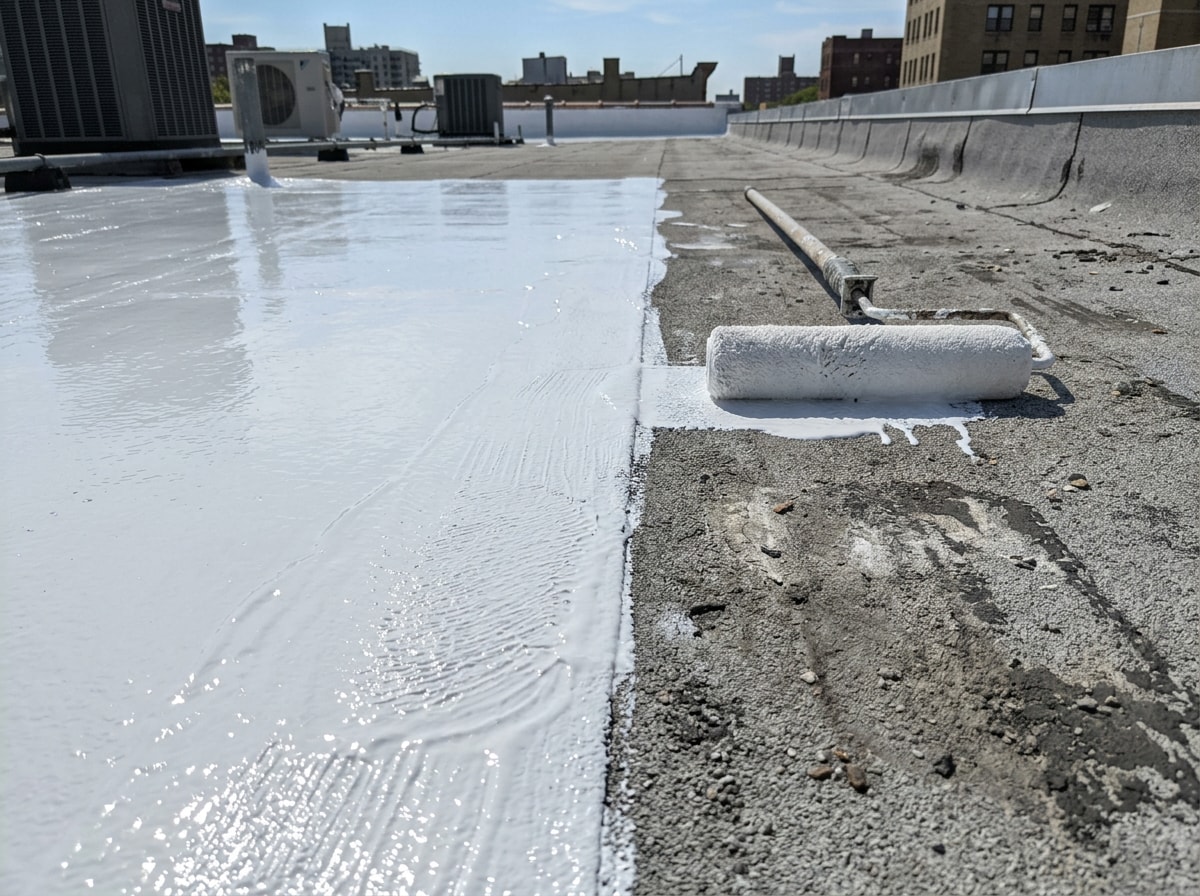
Reflective, ENERGY STAR-qualified roof products are designed to lower surface temperatures and reduce the air conditioning load on a commercial building. According to the EPA's ENERGY STAR program, qualifying low-slope roof products must meet minimum solar reflectance thresholds and carry warranties equal to standard non-reflective products, and a reflective roof can meaningfully reduce peak cooling demand on hot days. That makes a coating or recover system worth pricing against a standard dark membrane, especially on single-story retail and office buildings with large flat roof areas. Our specialized roofing solutions page covers reflective and coating options in more detail.
Service Areas Across Wake County
Jurisdiction matters because permitting timelines, inspection scheduling, and even zoning overlays change from one municipality to the next. RoofPuppy serves commercial properties across:
See our full coverage on the Wake County, NC service area page.
How to Vet a Commercial Renovation Contractor
Skip the "top contractor" lists and check these instead:
- Active license. Verify it directly on the NC Licensing Board site, not just a logo on the contractor's website.
- Certificate of insurance. Ask for it named to your business, not just a generic copy.
- Local permit history. A contractor who's pulled permits in your specific jurisdiction already knows the inspector's expectations.
- A phasing plan. For occupied buildings, ask exactly how they'll sequence work around tenant hours, deliveries, and parking.
- Line-item pricing. A bid that breaks out labor, materials, and subcontractor costs is far easier to compare against a competing quote than one lump number.
In our own work on multi-tenant retail roofs around the Triangle, the projects that stay on schedule are the ones where the phasing plan gets nailed down in writing before the first truck shows up, not adjusted on the fly once tenants start complaining about noise.
Why Property Owners Choose RoofPuppy for Commercial Renovation
RoofPuppy handles the exterior envelope side of commercial renovation: roofing, siding, and windows, with the licensing and permit experience to work inside Wake County's various jurisdictions.
Before you commit to a scope, a free roof inspection or free roofing estimate gives you a documented starting point instead of a guess. For buildings with more complex systems, a roofing consultation can help you sequence roof, siding, and window work into a single phased project instead of three separate disruptions.
Visit the RoofPuppy homepage to see our full range of services, or get a free estimate to start scoping your project.
FAQ
How much does commercial building renovation cost in Wake County, NC?
Most projects fall between $30 and $300+ per square foot depending on scope. Light cosmetic work and coatings sit at the low end; a full roof, siding, and window overhaul with code upgrades sits at the high end. Get a written estimate for your specific building rather than relying on a general range.
How long does a commercial building renovation take?
A roof coating or recover can often be done in days to a couple of weeks. A full roof replacement bundled with siding and window work typically runs several weeks to a few months, depending on building size and how much gets replaced versus repaired. Permitting timelines in your specific jurisdiction can add to that window.
Do I need a permit for commercial renovation in Wake County, NC?
Most structural, roofing, and exterior envelope work requires a permit. Requirements and review timelines vary by jurisdiction. Wake County, Raleigh, Cary, Durham, and Chapel Hill each run separate permitting offices, so confirm with the correct office before assuming your project is permit-exempt.
Does a commercial roofing contractor need to be licensed in North Carolina?
Yes, for any project valued at $40,000 or more. North Carolina law requires a state-issued general contractor license above that threshold, and you can verify any contractor's license status through the NC Licensing Board for General Contractors before signing a contract.
What is a commercial renovation?
A commercial renovation updates or reconfigures an existing non-residential building, such as an office, retail space, or medical facility, without full demolition. This is different from new construction, which starts on undeveloped land, and from a residential remodel, which follows different codes entirely.
Who are the best commercial renovation contractors in Wake County?
Instead of chasing a "best of" list, evaluate contractors on active NC licensing, a verifiable project portfolio, direct experience with your specific jurisdiction's permitting office, and whether their scope actually matches your project (exterior envelope versus full interior build-out). Those factors predict your outcome far better than a ranking does.