
Searching for construction consultants near me Wake County, NC mostly surfaces directory listings and engineering-firm homepages, not a straight answer about what the job costs or covers. The right consultant catches a bad shop drawing, a missing arc-fault circuit, or a stormwater violation before it turns into a change order. This guide breaks down what these specialists actually do, what they typically charge, and how to vet one who works for you instead of the contractor.
What Does a Construction Consultant Do?
A construction consultant is an independent advisor hired to review plans, oversee budgets and schedules, or inspect work quality on behalf of a project owner, not to perform the hands-on building work. That's the core difference between a consultant and a general contractor: a GC's project manager works for the GC, with incentives tied to that company's margin and subcontractor relationships, while a consultant (often called an owner's representative) is incentivized to protect the person paying for the project.
Depending on the engagement, a consultant might:
- Review architectural and structural drawings for conflicts or code gaps before permitting
- Check constructability, whether a design can actually be built on budget and schedule given real site conditions
- Track draw requests, change orders, and schedule of values against the approved budget
- Inspect concrete, steel, or electrical work at key milestones before it's covered by other trades
- Coordinate third-party testing labs and keep documentation for warranty or inspection purposes
Some consultants stay involved from design through final walkthrough. Others are brought in narrowly, for example, to review structural steel shop drawings on one project. Either way, the role is advisory and oversight-focused, distinct from the contractor managing labor and materials day to day.
How Much Do Construction Consultants Charge in Wake County?
Pricing depends heavily on scope. A single plan review costs far less than ongoing owner's-representative oversight through an entire build. Most consultants use one of three structures:
| Fee Structure | Typical Range | Best For |
|---|---|---|
| Hourly rate | $75–$250/hr | Single reviews, short consultations, troubleshooting |
| Percentage of project cost | 5%–15% of hard costs | Full owner's-representative oversight through construction |
| Flat fee | Set per scope | Defined deliverables, like one inspection or one plan review |
For context on the broader labor market, the median annual wage for construction managers was $114,990 in May 2025 , according to the U.S. Bureau of Labor Statistics. That figure covers salaried, in-house construction managers rather than independent consultants, but it's a useful benchmark for what experienced construction oversight costs an employer, and by extension, what an hourly or percentage-based consulting fee needs to cover.
On smaller residential projects, a narrow-scope review (one plan check, one inspection) is often the more cost-effective route. On larger commercial builds, the percentage-based owner's-rep model is more common because the oversight runs the full length of the project.
Construction Trades & Specialties a Consultant Reviews in Wake County
A construction consultant wears several hats depending on the project phase. Some focus on design and plan review before a shovel hits the ground. Others step in during construction to manage budgets, inspect concrete pours, or verify electrical rough-ins meet code. In Wake County, where permitting requirements and soil conditions vary by jurisdiction, an independent set of eyes on each trade can prevent costly rework later.
Design and Engineering
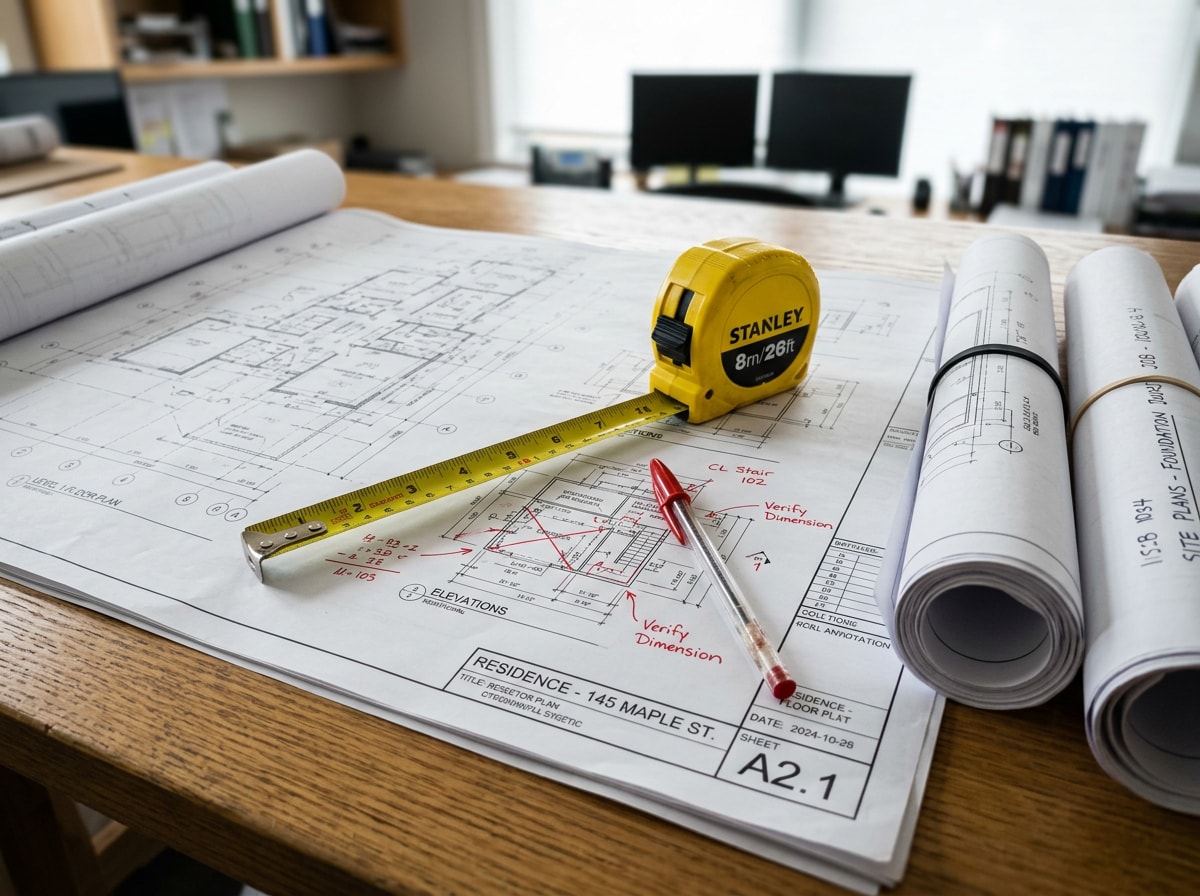
Design and engineering consulting covers plan review, constructability review, and coordination between architects and structural engineers before a project reaches the permit counter. A reviewer checks drawings for conflicts, missing details, and code compliance gaps that could trigger rejections or expensive change orders.
Wake County permitting reviewers look closely at life-safety systems, structural details, and site layout against zoning requirements. North Carolina's building code is based on model codes maintained by the International Code Council, which local jurisdictions adopt and amend. A consultant familiar with that process can flag issues before submission, which often shortens the overall review cycle.
Constructability review is a related but distinct service: it asks whether a design can actually be built as drawn, within budget and schedule, given real site conditions and material availability. Catching a constructability problem on paper costs far less than discovering it mid-framing.
Project Management (Owner's Representative)
An owner's representative works for the owner, not the contractor. In practice, that means reviewing draw requests, cross-checking the schedule of values, evaluating change orders for legitimacy, and flagging scope creep early.
A typical workflow starts with a kickoff meeting to set a baseline budget and schedule, followed by weekly site walks, periodic progress reports comparing actual spend to projection, and a change-order log reviewed at each milestone. This oversight doesn't replace the general contractor. It adds a second set of eyes whose only job is protecting the person paying for the project, a distinction that often matters more than any single trade inspection.
For a closer look at how this role plays out on a residential build, see our guide to project management for residential construction in Apex.
Site Work and Earthwork
Earthwork consulting covers grading, site preparation, and erosion-control coordination before vertical construction begins. A consultant typically reviews the grading plan against the approved site-development permit and checks that erosion-control measures are installed and maintained correctly.
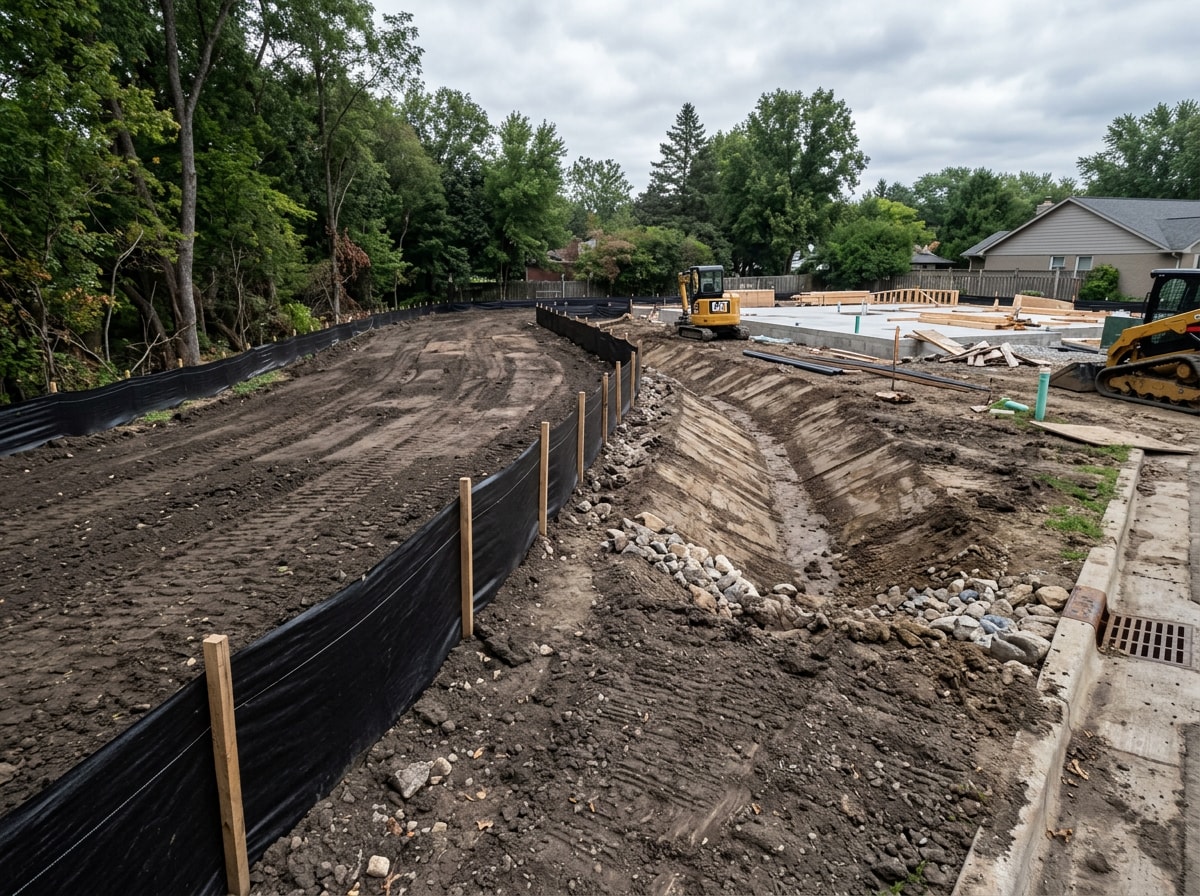
Wake County's mix of clay-heavy soils and rolling terrain makes drainage planning especially important; poor site prep here can lead to foundation settling or stormwater violations later. In North Carolina, an erosion and sedimentation control plan must be submitted at least 30 days before land disturbance begins on any site one acre or larger , per the NC Department of Environmental Quality. A consultant coordinating this phase helps confirm site work aligns with both county and state stormwater requirements before the next phase starts.
Concrete
Concrete inspection covers foundation quality control and flatwork review during and after pours. Checks typically include rebar placement, formwork, and slump before a pour, then curing conditions and surface tolerances once work is finished.
A cracked footing or out-of-level slab can cascade into framing and finish problems, so foundation checks matter early. Flatwork, like driveways and sidewalks, gets similar scrutiny for thickness, control joints, and drainage slope. On commercial projects, a consultant may also coordinate third-party labs for compressive-strength testing, keeping documentation that matters later if a warranty or structural question comes up.
Structural Steel
Structural steel review starts with shop drawings, confirming connections, member sizes, and details match the structural engineer's intent, since an error caught on paper is far cheaper than one caught once steel is on site. During erection, oversight tracks that pieces go up in sequence, bolted and welded connections meet spec, and temporary bracing stays in place until the structure is self-supporting.
Weld inspection is often coordinated with a certified third-party inspector, with the consultant reviewing reports before the work is covered by other trades. This level of oversight is most common on commercial and multi-story projects, where structural steel underpins everything that follows.
Electrical
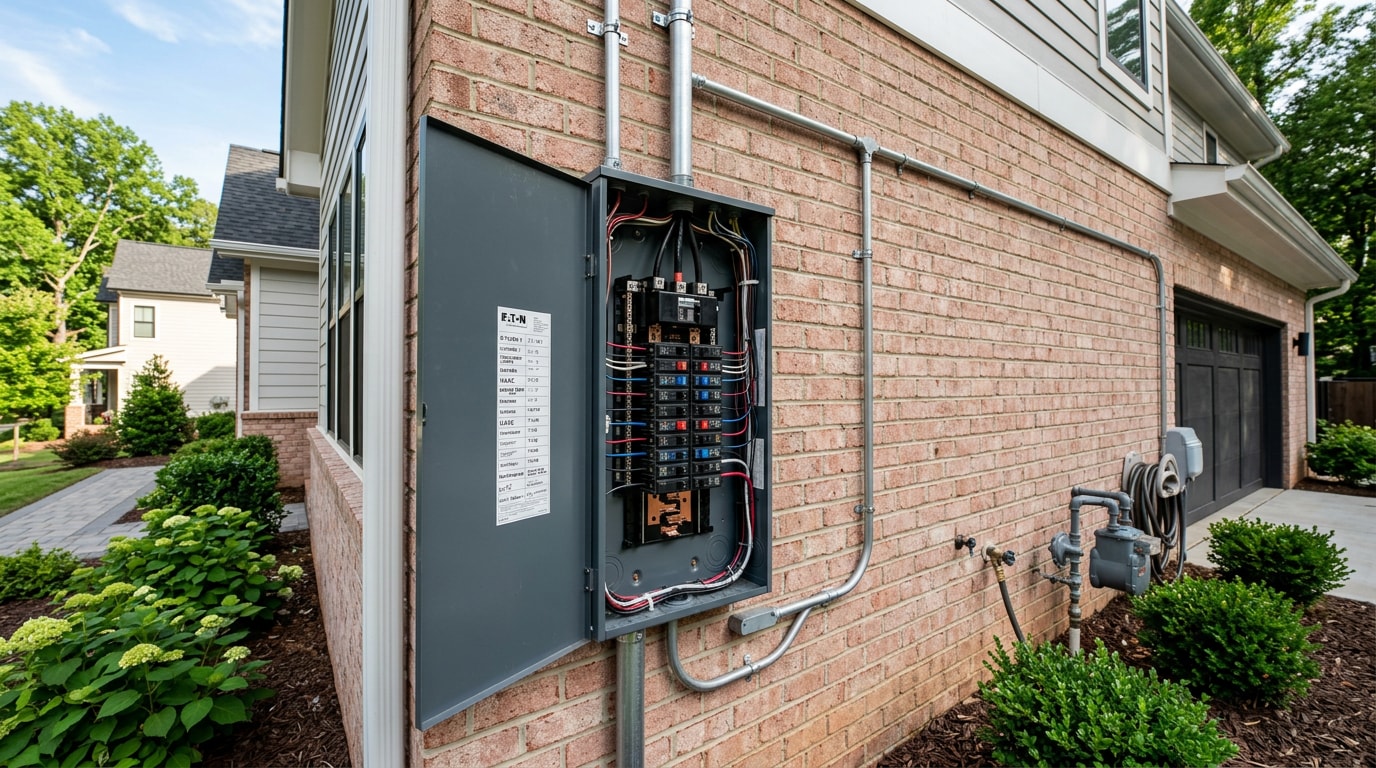
Electrical review covers how wiring, panels, and devices are planned and installed relative to current code. Plans typically get reviewed before rough-in, with inspection timing coordinated so work isn't covered by drywall before it's checked.
NFPA 70, the National Electrical Code, is enforced in all 50 states as the benchmark for safe electrical design, installation, and inspection , and Wake County's electrical inspections are based on the current adopted edition. Catching an undersized circuit or missing arc-fault protection at rough-in is straightforward; catching it after finish work means cutting into walls. Final walkthroughs typically confirm GFCI and AFCI protection, proper grounding, and panels that match as-built conditions.
How to Vet a Construction Consultant Near You in Wake County
Start with a referral or local search, then narrow the list before requesting a consultation:
- Confirm licensing and ask for references from projects similar in size and scope to yours
- Ask directly whether they represent the owner or the contractor; that affects whose interests they're protecting
- Get the fee structure in writing before work begins, whether hourly, flat, or percentage-based
- Ask how they document findings (written reports, photos, inspection logs) in case of a later dispute
- Confirm availability for the project's timeline, not just an initial walkthrough
Most consultants offer an initial call or site visit to scope the project before providing a proposal. If you're ready to move forward, request a free estimate to start the conversation.
When Your Project Needs Roofing or Exterior Consulting
A lot of construction consulting calls we field aren't for a ground-up commercial build. They're homeowners in Raleigh, Cary, and Apex who already have one contractor's bid in hand and want a second set of eyes on the scope before signing, especially on roofing, siding, or storm-damage work where the line between "needs replacement" and "needs repair" isn't always obvious from the ground.
That's where a roofing-specific consultation earns its keep. A roofing consultation or free roof inspection gives you an independent read on the condition of the roof deck, flashing, and ventilation before you commit to a scope. For older roofs or storm claims, our thorough inspections document findings with the kind of detail an insurance adjuster expects to see.
If a claim is involved, insurance claims assistance and working alongside an insurance adjuster can be the difference between a fair settlement and a shortchanged one. Commercial property owners weighing a full re-roof against targeted repairs can also lean on our commercial roofing team for a scope review before bidding it out.
RoofPuppy serves homeowners and property managers across Wake County and the surrounding Triangle. Browse our full roofing contractor services, or visit the homepage to see the rest of what we handle.
FAQ
What does a construction consultant do on a project?
A construction consultant reviews plans, oversees budgets and schedules, or inspects work quality on behalf of the project owner. They don't perform the hands-on building work; a general contractor or subcontractor does that. Their job is advisory and oversight-focused, and their loyalty is to whoever is paying for the project.
How much does it cost to hire a construction consultant in Wake County?
It depends on scope. Hourly rates for a single review or consultation typically run $75 to $250 per hour. Full owner's-representative oversight through an entire build is more commonly priced as a percentage of project cost, often in the 5% to 15% range of hard costs. Get the fee structure in writing before work starts.
What's the difference between a general contractor and a construction consultant?
A general contractor manages labor, materials, subcontractors, and day-to-day construction, and gets paid based on completing the work. A construction consultant is independent of the build itself and is hired specifically to protect the owner's budget, schedule, and quality, often by reviewing the GC's draw requests and change orders.
How do I find a reliable construction consultant near me in Wake County?
Start with a referral or local search, then check licensing, ask for references from comparable projects, and confirm upfront whether the consultant represents the owner or the contractor. A short initial call or site visit before any proposal is standard practice.
Do I need a consultant for a roofing or exterior renovation project?
Not always, but a second opinion is worth it when you're weighing repair versus replacement, dealing with storm damage, or filing an insurance claim. A free roof inspection or roofing consultation can clarify the actual scope before you sign a contract, which often prevents paying for more (or less) work than the project needs.
About This Guide
This guide was put together by the RoofPuppy team, licensed roofing, siding, and exterior contractors serving Wake County, NC. Our crews walk roofs and job sites across Raleigh, Cary, Apex, and the surrounding Triangle, and the consulting questions we hear most often come from homeowners trying to get a second opinion before they sign with someone else. Contact us if you'd like that second opinion on your project.