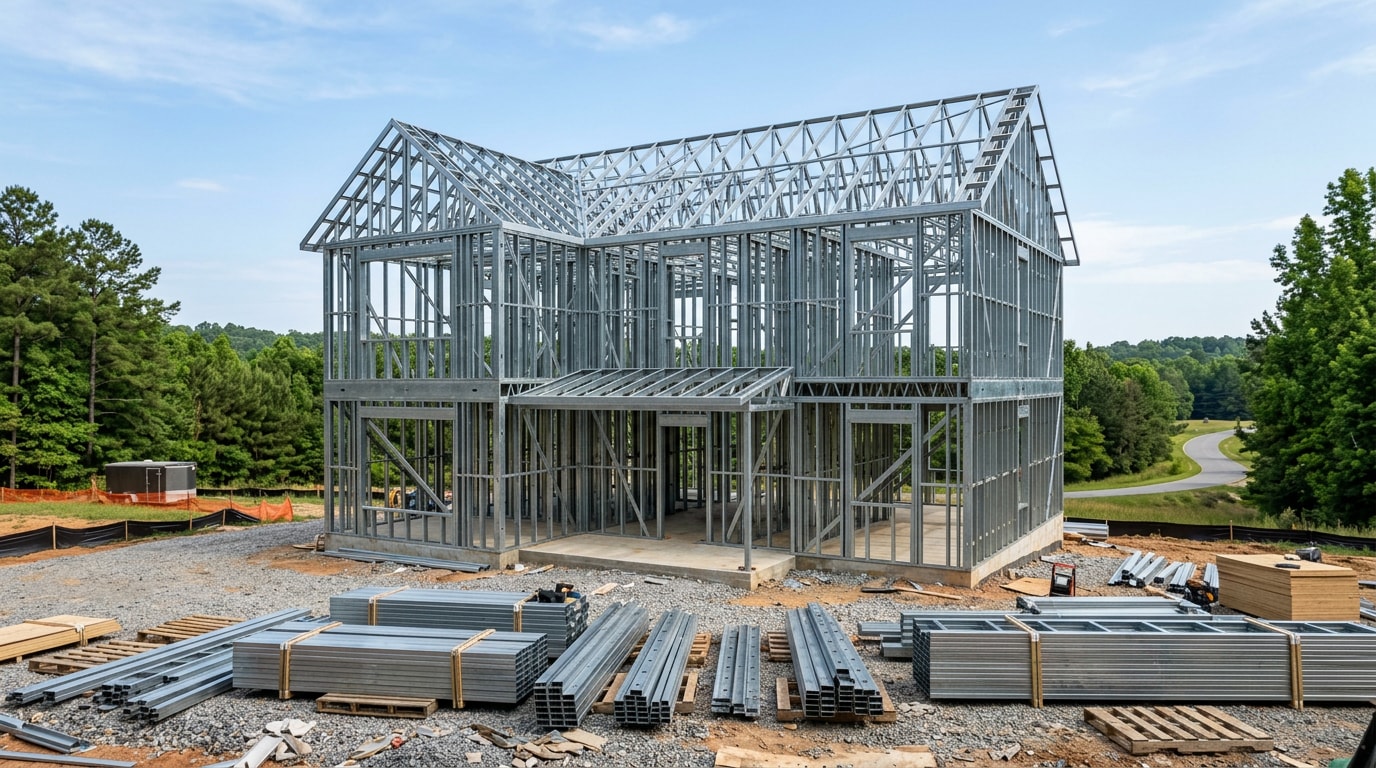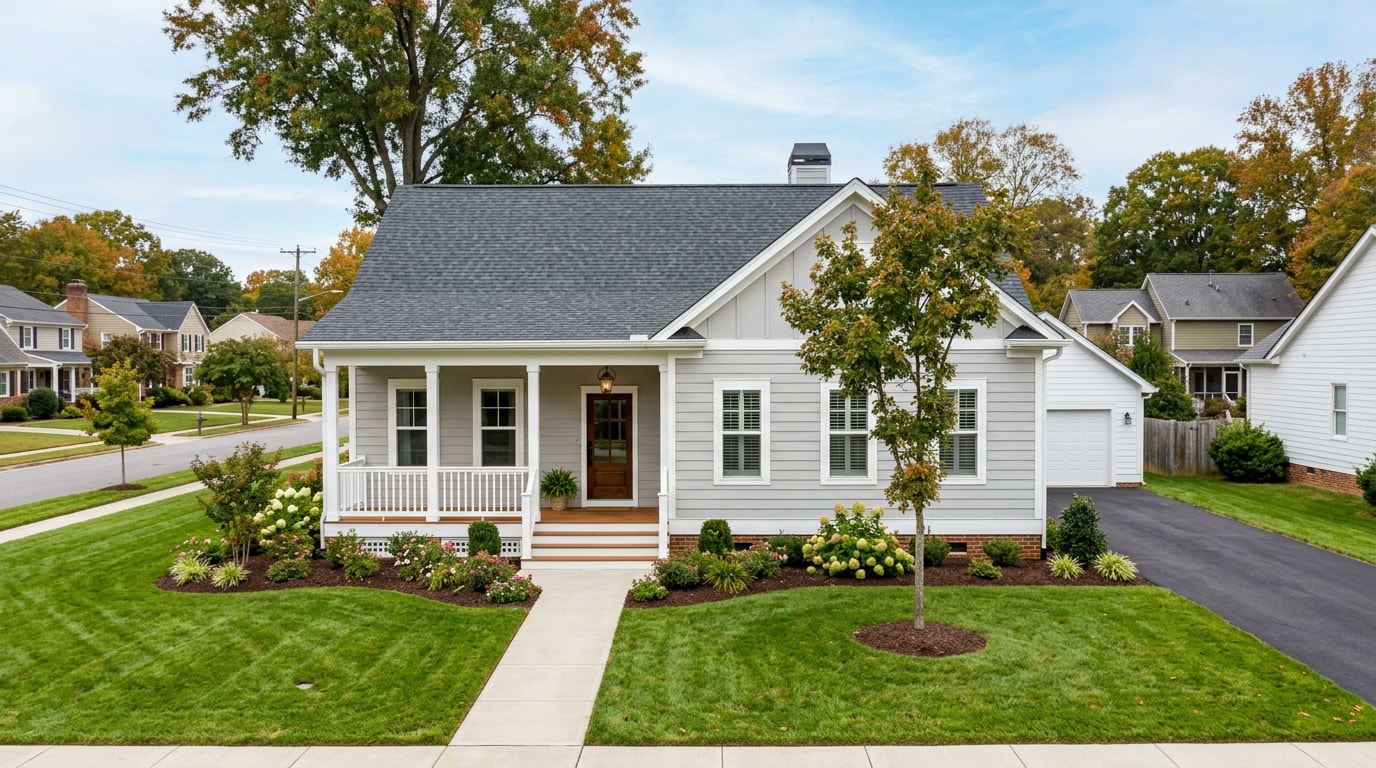
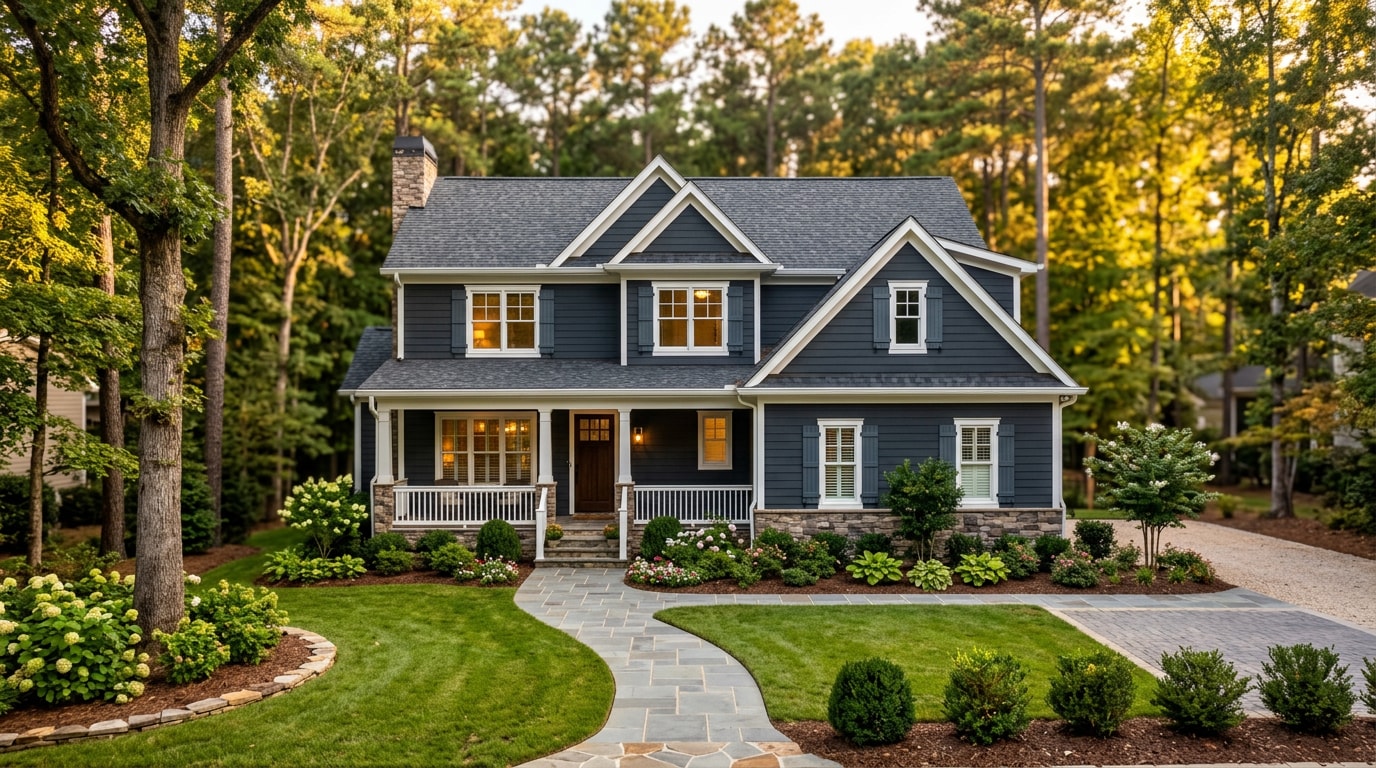
Hiring a general contractor in Chapel Hill, NC means navigating clay soil, tree-canopy rules, and a patchwork of permitting offices that trip up even experienced out-of-town builders. Our crews work these neighborhoods every week, from in-town bungalows near Franklin Street to new builds on Orange County infill lots. Here's what actually matters before you sign a contract, plus what it costs to build or remodel here in 2026.
Why Licensing Matters Before You Sign a Contract
North Carolina doesn't require a license for every project. By law, a general contractor must be licensed if the total project cost is valued at $40,000 or higher. Below that number, a handyman or unlicensed crew can legally do the work. Above it, the law requires a tested, bonded, financially vetted contractor.
That threshold protects you in a few concrete ways:
- Recourse if something goes wrong. A licensed contractor's bond gives you a path to recover money if the job stalls or a sub doesn't get paid.
- Insurance-backed guarantees. Liability and workers' comp coverage keep you from being on the hook for an on-site injury.
- Code accountability. Licensed GCs pull their own permits and answer to the state board, not just to you.
Verify any contractor before signing anything. The North Carolina Licensing Board for General Contractors runs a free, searchable database showing license status, classification, and disciplinary history. It takes two minutes and it's worth doing even for a referral from a friend, since classifications are tied to specific dollar limits and project types.
Permitting in Chapel Hill: Three Offices, One Project
This is the part most contractor websites skip, and it's where Chapel Hill projects actually get delayed.
Chapel Hill, Carrboro, and unincorporated Orange County each run their own planning and permitting process. Orange County issues certain mandatory permits countywide, except within the municipal limits of Carrboro, Chapel Hill, and property owned by UNC and Duke. In practice, that means a project a half-mile from downtown might route through the Chapel Hill Planning and Zoning Department, while a lot just outside the town line goes through Orange County's Planning and Inspections Department, which implements land use, environmental, and building policies through building permits issued by the county.
A contractor who doesn't know which office owns your address can lose you two to four weeks before a shovel ever hits dirt. If you want a deeper walkthrough of how permitting and civil approvals work locally, our guide on civil constructors in Chapel Hill, NC breaks down the process step by step.
We work across every jurisdiction in and around Chapel Hill, so we already know which office handles your address before we write your estimate.
What a General Contractor in Chapel Hill Handles
A general contractor's job is to be the one accountable party across every trade on your job, not just a middleman who hands out subcontracts. Our scope typically breaks into three buckets:
Roofing and exterior systems
- Roof installation and roof replacement
- Roof repair and emergency roof repair
- Storm damage repair and insurance claims assistance
- Siding installation and siding repair
Windows, decks, and porches
- Window installation and window replacement
- Deck installation and porch installation
- Screened porch construction
Full project management
- Permitting, subcontractor sequencing, and inspections from first nail to final walkthrough
- A single point of contact so you're not chasing down five different trades for updates
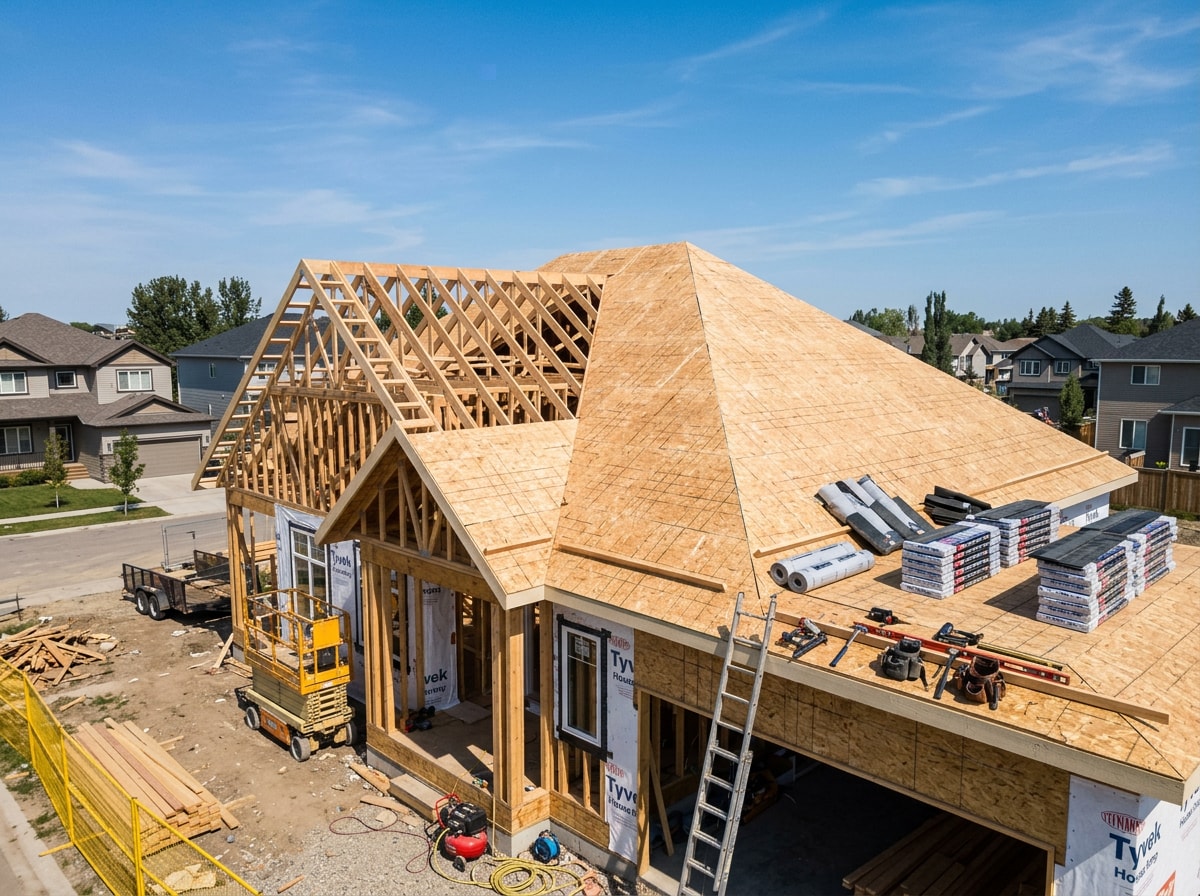
Rather than farming out the thinking along with the labor, we manage the full scope as the general contractor of record, from initial permitting through the final inspection.
Recently Completed Projects Across the Triangle
Recent work gives a clearer picture than any service list. Over the past few seasons, our crews have completed:
- Full roof replacements and storm-damage repairs on homes near downtown Chapel Hill
- Siding and window replacements on older housing stock that needed exterior upgrades without losing character
- Deck and screened-porch builds for families adding usable outdoor space
- New-construction roofing and exterior packages on infill lots where setback and tree-preservation rules shaped the build
We also serve homeowners in Durham and Cary, so if your project crosses town lines, that's not a problem.
What It Costs to Build or Renovate in Chapel Hill
Chapel Hill and the surrounding Orange County market run higher than the state average because of land costs and demand near UNC. Here's a general range for new construction in North Carolina by finish level:
| Finish Level | Cost Per Sq. Ft. | 2,500 Sq. Ft. Home |
|---|---|---|
| Builder-grade (basic) |
$180–$250
| ~$450,000–$625,000 | ||
|---|---|---|
| Mid-range custom | $250–$350 | ~$625,000–$875,000 |
| High-end custom |
$250–$450
| ~$625,000–$1,125,000 |
These are statewide averages; Chapel Hill proper often lands at the upper end given Orange County land costs and permitting complexity. On top of hard construction costs, expect a general contractor fee running 10%-20% of the total, covering coordination, scheduling, and accountability across every trade. The National Association of Home Builders publishes a full breakdown of where that money goes, including lot cost, financing, and overhead, which is a useful starting point even though national averages won't capture Chapel Hill's specific pricing pressure.
For renovation work rather than new construction, get multiple itemized bids before committing. A detailed scope and a free estimate protect you from vague pricing that balloons mid-project.
Keeping Your Investment Protected After the Build
A new roof or addition is only worth what it protects long-term. Preventive maintenance on roofing, HVAC, and building envelopes catches wear before it turns into a five-figure repair.
On HVAC specifically, hiring a professional contractor for routine seasonal maintenance, checkups in spring for cooling and fall for heating, keeps the system running efficiently and prevents the kind of neglect that shortens equipment life. The same logic applies to roofing: a free roof inspection once a year catches flashing failures and soft decking before they become a leak.
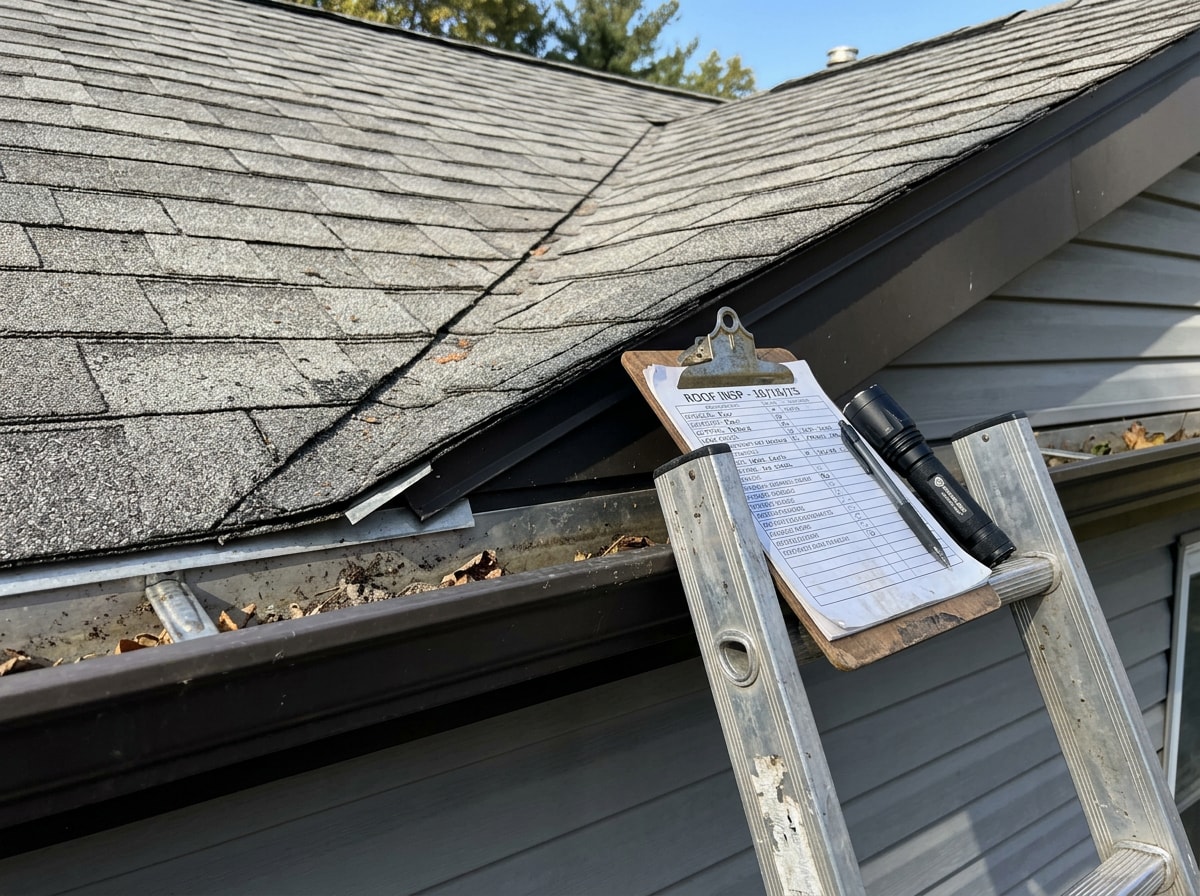
Beyond routine upkeep, confirm bonding and insurance before any contractor steps on your property. A bond gives you recovery options if a job stalls mid-way. Liability and workers' comp coverage keep an on-site injury from becoming your financial problem.
Why Homeowners Choose Roof Puppy
We built this company around a simple complaint we heard too often from Chapel Hill homeowners: contractors who disappeared mid-project or cut corners nobody noticed until years later. Our crews have handled everything from single-room exterior updates to multi-trade renovations across Orange County's older housing stock, where drainage planning and tree-preservation rules add a layer most out-of-area contractors miss on the first bid.
That hands-on approach is also why our work is built on referrals rather than ad spend. If you want to talk through a project, scope, or timeline before committing to anything, contact our team directly. We'll tell you honestly whether your project needs a licensed GC under the $40,000 rule or not.
FAQ
Is it more expensive to hire a general contractor?
Hiring a general contractor usually costs more upfront than self-managing subcontractors, since GC fees typically run 10-20% of total project cost to cover coordination, scheduling, and accountability. That markup pays for a single point of responsibility when problems come up. Homeowners who self-manage often save on paper but lose time and money to scheduling conflicts and redone work nobody was clearly responsible for.
How much does it cost to build a house in Chapel Hill, NC?
Building new in Chapel Hill typically runs $200 to $350+ per square foot as of 2026, higher than the North Carolina state average due to Orange County land costs, permitting requirements, and demand near UNC. Basic statewide builds run $180 to $250 per square foot , with custom homes reaching $250 to $450 per square foot ; Chapel Hill projects tend to sit at the higher end of those ranges.
Do I need a permit for a home renovation in Chapel Hill, NC?
Most renovation work requires a permit, and which office issues it depends on your exact address. Properties inside Chapel Hill or Carrboro town limits typically go through the municipal planning department, while properties in unincorporated Orange County go through the county's Permit Portal, which is the entry point for both residential and commercial building permits. A licensed GC confirms this before filing anything.
What not to tell a contractor?
Avoid stating your full budget upfront, since contractors may unconsciously price toward that number rather than the actual scope. Vague scope descriptions, like "just update the kitchen," also invite vague bids that balloon once work begins. Get specifics in writing instead: materials, timelines, payment schedules, and what happens if hidden issues turn up mid-project.
Who are the largest contractors in North Carolina?
North Carolina's largest contractors are typically regional or statewide firms handling large commercial developments, multi-family housing, and institutional projects, not the kind of work most homeowners are hiring for. For renovations, additions, or exterior work in Chapel Hill, a local specialist who knows the permitting offices usually delivers faster response times. Get a free estimate to see how your project scope compares.